
Is Your “Small Job” Actually a Renovation? Where Repairs End and Remodeling Begins
 October 19, 2026 11:14 am
Many home projects in Central Jersey start as a short repair list. But once one task starts affecting another, the job can move beyond a simple repair.
Brooks Contracting handles both handyman and general contracting services, so we see this line often. Knowing where your project sits can help you choose the right scope, contractor, and budget before work begins.
What Is the Difference Between a Repair, Renovation, and Remodel?
Start with what you want the work to accomplish.
A repair restores something damaged, worn, loose, leaking, or no longer working properly. Replacing broken trim, patching drywall, or fixing a door problem can fall into this category.
A renovation improves an existing space. You may replace finishes, update cabinets, change flooring, or complete several improvements in the same room.
A remodel changes how the space works. That may involve a new layout, moving fixtures, opening walls, adding built-ins, or changing plumbing or electrical locations.
These are practical planning distinctions, not legal definitions. The real question is how much of the house the work touches and how much coordination it needs.
| Question | More Like a Repair | More Like a Renovation or Remodel |
| Main goal | Restore an existing condition | Improve or change the space |
| Scope | One or a few localized tasks | Several connected tasks |
| Trades | Often one | May require several |
| Planning | Limited | Selections and sequencing matter |
| Starting point | Handyman or appropriate trade | General contractor may make more sense |
What Signs Show That a Small Job Is Becoming a Renovation?
Room size does not decide it. A small bathroom can become a coordinated project if the work affects walls, plumbing, electrical work, flooring, waterproofing, and finishes.
The Work Changes How the Space Functions
Replacing damaged cabinet hardware is a small repair. Reworking cabinets, adding storage, changing an opening, or altering the layout changes the room itself.
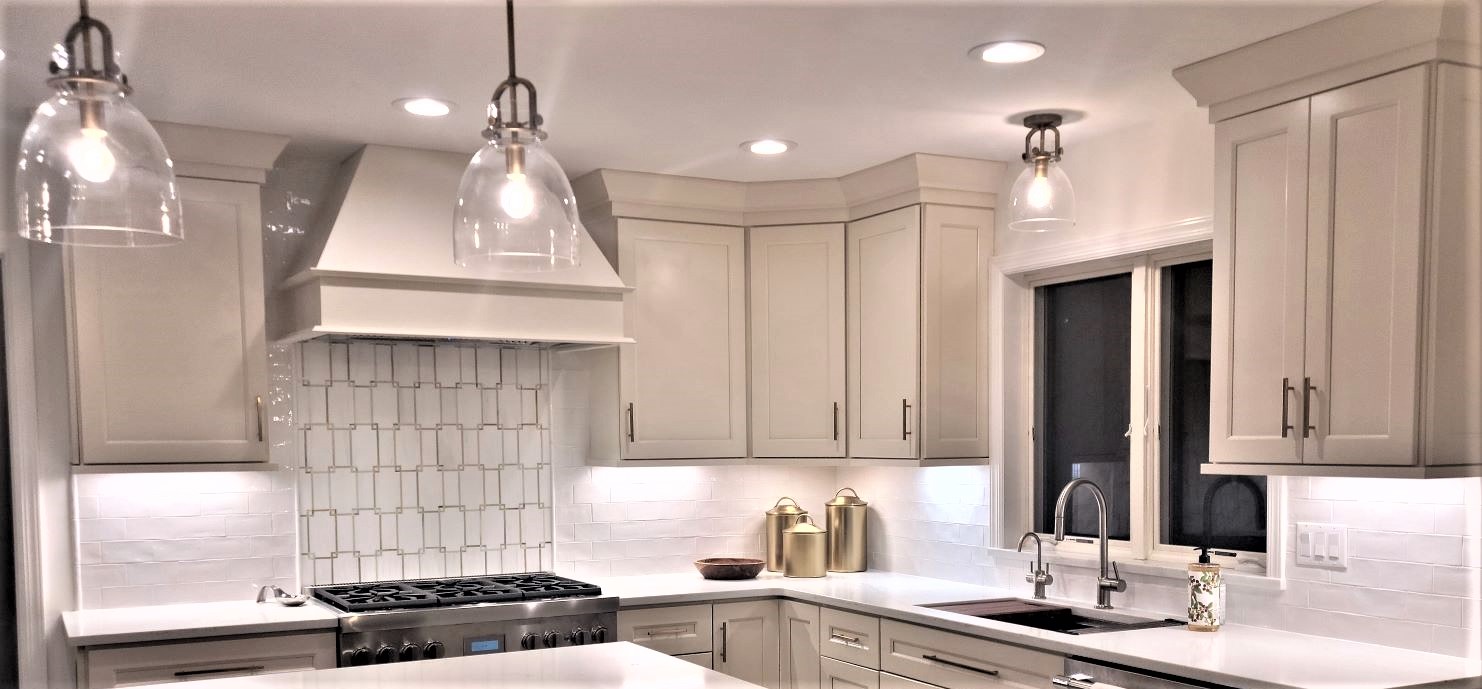
That is the difference between repairing part of a kitchen and planning a kitchen remodeling project.
One Repair Starts Affecting Another Part of the House
A wall repair may uncover water damage. Replacing flooring may expose a weak subfloor. Moving a fixture may affect plumbing, electrical work, drywall, and finishes.
Once the tasks connect, it is better to define one complete scope than treat every item as a separate fix.
Several Trades Need to Work in the Right Order
If carpentry must happen before electrical work, walls need to stay open for an inspection, or finish work depends on plumbing, coordination becomes part of the job.
Does Needing a Permit Mean the Job Is a Renovation?
Not always. But it is a sign that you should look more carefully at the scope.
New Jersey’s Uniform Construction Code distinguishes ordinary maintenance from work that falls into other permit categories. Whether approval is needed depends on what the project changes, not simply what the homeowner calls the job.
Cosmetic maintenance and structural alterations are not treated the same way. Electrical, plumbing, mechanical, structural, and other regulated work can also change permit or inspection requirements.
If you are comparing residential general contractor services in Ocean County, define the work before assuming it is “just a handyman job.” The local construction office can confirm what your specific project requires.
Can Several Small Repairs Make More Sense as One Renovation?
Yes, especially when the jobs affect the same room, finish, system, or final result.
Say you want to patch drywall, replace flooring, update cabinets, improve lighting, and change trim in one room. Each item may sound small, but planning them separately can create repeated work or poor sequencing.
Ask:
- Same area: Are most jobs in one room or adjoining spaces?
- Same cause: Could several problems come from one underlying condition?
- Same finish: Will one repair disturb something another job also touches?
- Same sequence: Does one task have to happen before another?
- Same goal: Are you repairing the space or changing how it works?
If several answers are yes, have the whole scope reviewed together. That does not automatically make it a major renovation, but it can prevent one small project from interfering with the next.
Should You Call a Handyman or a General Contractor?
Choose based on scope and coordination, not just what you expect the job to cost.
A handyman can be a practical fit for localized repairs, maintenance, small installations, finish work, and a manageable punch list. Brooks Contracting’s handyman and general contracting services cover smaller projects as well as work that grows into a broader construction scope.
A general contractor becomes more useful when:
- several trades need coordination;
- you are changing the layout or use of the space;
- the work affects structural or regulated systems;
- permits or inspections may be involved;
- one part of the project depends on another.
If you are looking for a general contracting company in Monmouth County, ask who will take responsibility for the whole scope rather than only one task.
For projects that move beyond repairs, our home renovation and addition services cover larger changes to existing homes, while our residential construction services show the broader work BCI handles across Central Jersey.
What Should You Define Before Asking for an Estimate?
You do not need construction terminology. You do need to explain the problem and the result you want.
Prepare:
- what is damaged, outdated, or not working;
- what you want to change;
- photos of the current condition;
- recurring leaks, cracks, movement, or previous repairs;
- which items are in the same area;
- drawings, inspection notes, or permit information you already have.
Also explain the goal. “Fix this wall” and “update this room so we can use it as an office” can lead to very different scopes.
For homeowners considering residential general contracting services across Ocean County, this early conversation can help separate simple repairs from work that needs broader planning.
Why Does Defining the Scope First Matter?
Because the wrong starting point can create extra work.
Treating a renovation like unrelated repairs can lead to repeated demolition, mismatched finishes, scheduling conflicts, or work that has to be reopened. The opposite matters too: a straightforward repair does not need to become a renovation simply because a contractor offers remodeling.
Brooks Contracting works across Central Jersey on projects ranging from smaller repairs to full renovations and new construction.
If you need a Monmouth County general contracting company for a project that has grown beyond a repair, or you have a list of smaller jobs and do not know where to start, bring us the scope first. We can help determine the right next step.
Frequently Asked Questions
Can a Handyman Complete Part of a Renovation?
Sometimes. It depends on the task, the overall scope, and whether regulated or specialized work is involved.
Can I Ask for an Estimate if I Am Not Sure What Type of Project I Have?
Yes. Explain the current condition and what you want to change. The first review should help clarify the scope.
Does Opening a Wall Automatically Make a Project a Remodel?
No. The reason for opening it and what happens behind it matter more than the act itself.
Should I Combine Several Small Home Repairs Into One Project?
It can make sense when the jobs share the same room, finish, sequence, or underlying problem.
Who Should Confirm Whether My Project Needs a Permit?
Check with the local construction office and make permit responsibility clear with the contractor before work starts.
Does Brooks Contracting Handle Both Small Repairs and Larger Renovations?
Yes. BCI offers handyman and general contracting work as well as larger home renovations, additions, and residential construction.
Tags: Kitchen Remodeling and RenovationCategorised in: Kitchen Remodeling and Renovation